Muscles and bones
Bones of the ribcage thin and change shape, limiting how far the chest expands, and the diaphragm, the main breathing muscle, weakens, making it harder to move enough air (MedlinePlus).
Airways and air sacs
Tissue that keeps small airways open loses some springiness, so airways close more easily; air sacs (alveoli) lose their shape and become baggy. Air can get trapped, and oxygen exchange becomes less efficient (MedlinePlus).
Cough and defences
Nerves that trigger coughing become less sensitive, so particles and germs are cleared less well, and immune defences weaken. Older adults face higher risks of pneumonia, bronchitis and sleep apnea (MedlinePlus).
What helps
- Don’t smoke, and avoid secondhand smoke (CDC).
- Exercise regularly; adults need 150 minutes of moderate activity a week (CDC).
- Avoid long periods lying or sitting, especially after illness.
- Stay up to date with pneumococcal and other vaccines (CDC).
- Watch air quality on smoky days (AirNow).
When it isn’t just age
Breathlessness that’s new, worsening or out of proportion to activity deserves a check: see Breathlessness: red flags.
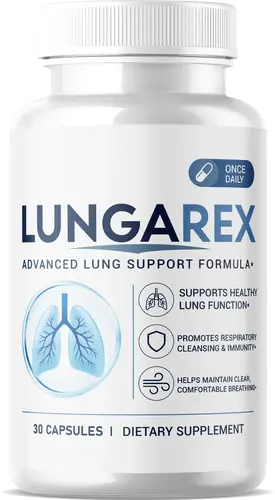
Considering Lungarex? Two bottles are $158 plus shipping; six are $294 ($49 each) with free US shipping and three bonus guides. Only unopened bottles can be refunded, it does not replace an inhaler or prescribed treatment, and turmeric and butcher’s broom may interact with blood thinners, so read the safety guide first.
Order Lungarex From $49/BottleQuestions
Is it normal to get more breathless with age?
Some change is normal; sudden or worsening breathlessness is not.
Can exercise slow lung ageing?
Regular exercise supports lung function, per MedlinePlus.